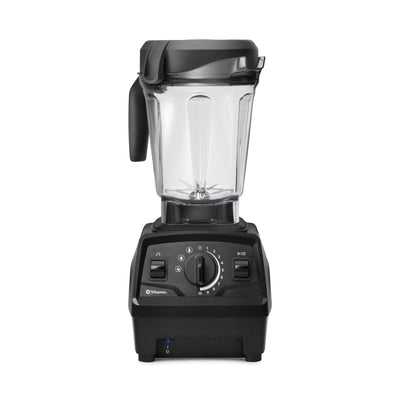
Wild Garlic Pesto

Wild Garlic Pesto

Wild garlic pesto: intense, fresh and made in seconds in your Vitamix blender.

10 minEasySauceVegetarianGluten-Free

Wild garlic is the herb of spring: available from March to May at markets and in woods, with a strong garlic aroma and a fresh, slightly bitter finish. In a Vitamix blender it becomes a pesto that a mortar can hardly manage. The fibrous leaves are chopped completely, and the olive oil emulsifies creamily without anything bitter appearing, as long as you follow the technique. The result: a bright green pesto that works as a pasta sauce, bread spread, dip or flavour base for soups and vinaigrettes. You don't need extra garlic. Wild garlic brings that note naturally. How to turn it into a vegan version or freeze the pesto for the whole year is explained further down.

Chef's Note

Wild garlic oxidises faster than basil: the leaves are sensitive to heat and oxygen. Briefly chill the Vitamix container before blending or put the wild garlic leaves in the freezer for 5 to 10 minutes. This slows oxidation and keeps the pesto bright green instead of grey-olive. After blending, immediately fill it into a clean screw-top jar and cover with a thin layer of olive oil.

Bitter trap: the staged approach applies to wild garlic pesto too. First chop the wild garlic, pine nuts and Parmesan coarsely on speed 5 to 6 for about 10 to 15 seconds, then stop the blender. Then start on speed 1 and let the olive oil run in slowly through the lid opening, only until the pesto is homogeneous. If you want to be safe, stir in the last third of the oil with a spoon instead of blending it.

Seasonal tip: wild garlic is only available for a few weeks. If you make a batch to keep, freeze the finished pesto in portions in ice cube trays, where it keeps for up to 3 months. Stirring in freshly grated Parmesan after thawing gives a better texture than cheese frozen with it.

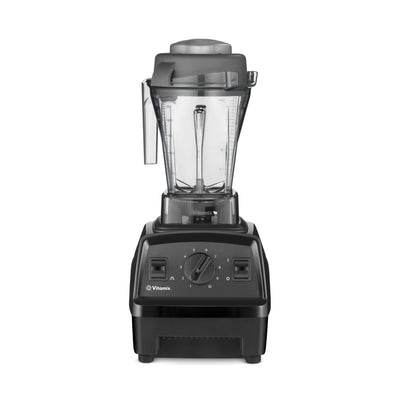
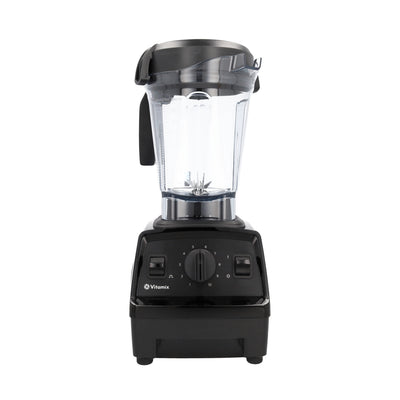
Why a Vitamix blender: wild garlic leaves are flat and fibrous and resist the mortar. It rarely produces a truly homogeneous paste. In a Vitamix blender they are chopped completely on speed 5 to 6 before the olive oil runs in on speed 1 as a stable emulsion. The result is creamier and more even than with a food processor or hand blender. If you freeze several jars as a supply, you also benefit from the batch capability of the 1.4-litre container, which works cleanly from about 250 ml.

Instructions

  1. 1

    Toast the pine nuts in a dry pan over a medium heat for one minute until golden brown, stirring, as they brown quickly. Take off the heat and leave to cool. Wash the wild garlic thoroughly and pat dry. If you want to keep the pesto as green as possible, put the leaves in the freezer for 5 minutes beforehand and chill the Vitamix container too.

  2. 2

    Add the wild garlic, pine nuts, and Parmesan to the Vitamix container. Close the lid and blend at speed 5 to 6 for about 10 to 15 seconds, until a coarse paste forms. Stop the blender.

  3. 3

    Start the blender on speed 1 and let the olive oil run in slowly through the lid opening. Blend only until the pesto is smooth, no longer, so the oil does not turn bitter. The last third of the oil can also be stirred in with a spoon.

  4. 4

    Transfer the pesto to a bowl and season with salt and, if you like, a squeeze of lemon juice. Use it right away, or fill a clean screw-top jar, cover it with a thin layer of olive oil, and keep it in the fridge.

Nutrition per 100 g

Energy 530 kcal2216 kJ
Fat 54.0 g
of which saturated fat 9.4 g
Carbohydrates 2.5 g
of which sugars 0.9 g
Protein 7.7 g
Salt 1.08 g
Fiber 1.2 g

Values per EU FIC Regulation (1169/2011). Values are averages and may vary depending on ingredients and preparation.
Frequently Asked Questions

When is wild garlic in season and where do I find it?
Wild garlic grows from March to May and during this time can be found at weekly markets, in well-stocked supermarkets and in some deciduous and beech woods. The season is short; if you like to stock up, freeze the finished pesto in portions.
Do I still need garlic if I use wild garlic?
No. Wild garlic brings its own strong garlic note, which is released well during blending. Extra garlic would overload the flavor. For a milder taste, simply reduce the amount of wild garlic slightly.
Why does my wild garlic pesto turn brown or gray-green?
Wild garlic oxidizes faster than basil through heat and oxygen. The fix: put the leaves in the freezer for 5 to 10 minutes and chill the Vitamix container first. Once blended, transfer it straight into a jar, cover it with olive oil, and seal it airtight. A squeeze of lemon juice slows the browning further.
Why can pesto turn bitter in the Vitamix and how do I avoid it?
The polyphenols in the olive oil change their flavour profile if the blender runs too long on a high speed. Remedy: first roughly chop the wild garlic, pine nuts and Parmesan on speed 5 to 6, stop, then restart on speed 1 and let the oil run in slowly. As soon as the pesto looks homogeneous, stop immediately.
How long does homemade wild garlic pesto keep?
In the fridge, in a clean screw-top jar, it keeps for 3 to 4 days, slightly less than basil pesto, because wild garlic oxidises faster. A thin layer of olive oil on the surface protects against discolouration. Frozen in ice cube trays, the pesto keeps for up to 3 months.
Can I make wild garlic pesto vegan?
Yes. Replace the Parmesan with 3 to 4 tablespoons of nutritional yeast. This gives umami and savoury depth without animal ingredients. The taste differs slightly from the original, but is hardly inferior to it, and it also makes the pesto lactose-free.
Can I use nuts other than pine nuts?
Yes, blanched almonds or walnuts pair well with the strong wild garlic aroma. Walnuts add a slightly tart, earthy note that complements the garlic character of wild garlic. Toast any of them dry for a moment before they go into the blender.

Passend dazu