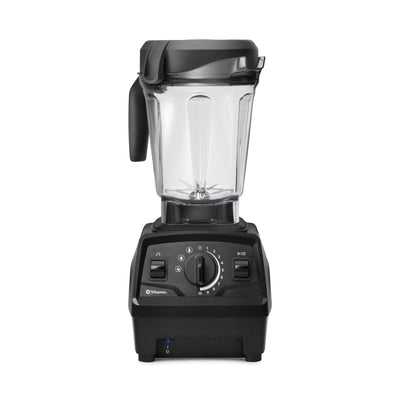
Pesto alla Genovese: the classic recipe

Pesto alla Genovese: the classic recipe

Classic pesto alla Genovese: fresh, creamy and ready in seconds from the Vitamix.

10 minEasySauceVegetarianGluten-Free

What is pesto alla Genovese?

Pesto alla Genovese, also called pesto Genovese or Genovese pesto, is the green basil sauce from Liguria, the region around Genoa. Classically it contains basil, extra virgin olive oil, Parmigiano Reggiano or Grana Padano, pecorino, garlic, pine nuts and sea salt, and traditionally it is made in a marble mortar. Our recipe sticks to these ingredients, adds pecorino as an option and allows a squeeze of lemon, which the classic version does not include.

In the Vitamix the sauce is ready in seconds, smoother than with a mortar or a food processor, and the high shearing action binds the oil into a creamy emulsion. The result is a vivid green, richly aromatic pesto for pasta, bruschetta, as a dip or as a flavour base for soups and dressings. How to turn it into a rocket variation, a red pesto with sun-dried tomatoes or a vegan version is explained in Making pesto: basics, variations and freezing.

Chef's Note

Olive oil and the pesto bitterness trap: when blending on speed 10 or Variable full speed, the olive oil polyphenols are mechanically broken open, and as little as 10 to 15 seconds on the highest speed is enough for the pesto to linger on the tongue and take on a bitter sharpness that you hardly notice at the first sip but clearly feel in the finish. Remedy: first roughly chop basil, pine nuts, Parmesan and garlic on speed 5 to 6 (approx. 10 seconds), stop the blender, then restart on speed 1 to 2 and let the olive oil run in slowly through the lid opening. As soon as the pesto looks uniform, stop immediately. You can also stir in the last third of the oil by hand with a spoon. This is the safest method and fully keeps the fruity, round note of the oil.

Basil is sensitive to heat: a pre-chilled container or briefly freezing the basil (5 minutes in the freezer) prevents oxidation and keeps the pesto bright green. Toast the pine nuts briefly in a dry pan. One minute on medium heat noticeably strengthens their nutty aroma.

Instructions

  1. 1

    Toast the pine nuts in a dry pan over a medium heat for one minute until golden brown, stirring, as they brown quickly. Take off the heat and leave to cool briefly. Wash the basil leaves and pat them thoroughly dry.

  2. 2

    Add the basil, pine nuts, Parmesan, and garlic to the Vitamix container. Close the lid and chop on speed 5 to 6 for about 10 to 15 seconds, until a coarse paste forms. Stop the blender.

  3. 3

    Start the blender on speed 1 and let the olive oil run in slowly through the lid opening. Blend only until the pesto is smooth, no longer, so the olive oil does not turn bitter. If you like, stir in the last third of the oil with a spoon after blending.

  4. 4

    Transfer the pesto to a bowl and season with salt and, optionally, a squeeze of lemon juice. Use right away, or fill into a screw-top jar and store in the refrigerator covered with a thin layer of olive oil.

Nutrition per 100 g

Energy 526 kcal2200 kJ
Fat 53.1 g
of which saturated fat 7.9 g
Carbohydrates 3.2 g
of which sugars 1.8 g
Protein 7.8 g
Salt 1.5 g
Fiber 0.9 g

Values per EU FIC Regulation (1169/2011). Values are averages and may vary depending on ingredients and preparation.
Frequently Asked Questions

Which ingredients belong in a classic pesto?
Pesto alla Genovese is traditionally made of fresh basil, pine nuts, Parmigiano Reggiano or Grana Padano, pecorino, garlic, extra virgin olive oil and salt. In the Vitamix, the solid ingredients go into the container first; the oil is worked in at the end on a low speed.
Why does pesto sometimes turn bitter in the blender?
Pesto turns bitter if the olive oil runs at full power for too long. The polyphenols in the oil change their flavour profile under the mechanical stress. Remedy: briefly chop the dry ingredients on speed 5 to 6, then stop the blender and let the oil run in on speed 1 to 2. Everything else on this is in the tips directly above the recipe.
Can I make pesto vegan?
Yes. Replace the Parmesan with 3 to 4 tablespoons of nutritional yeast for umami and savoury depth. The pesto is then also lactose-free and vegan. The taste differs slightly, but is hardly inferior to the original.
What can I use instead of pine nuts?
Walnuts, cashews, or almonds work well as a more affordable alternative. Walnuts give a slightly more bitter flavor, cashews a milder one. Toast all variations dry for a short time before they go into the blender.
How long does homemade pesto keep?
Homemade pesto with raw garlic and fresh basil under oil keeps in the fridge, in a clean screw-top jar with a layer of olive oil on top, and is best eaten up by the next day. For longer, freeze it in portions.
Can you freeze Pesto Genovese?
Yes, ideally in portions in an ice cube tray and without the cheese, which you stir in fresh after thawing.
Is there an arugula or tomato version?
Yes. For rocket pesto, replace the basil with the same amount of fresh rocket. The taste becomes more peppery and slightly more bitter. For red pesto (Pesto Rosso), swap the basil for 60 g of dried tomatoes preserved in oil and reduce the olive oil accordingly.
How do I keep my pesto from turning brown?
Basil oxidizes through heat and oxygen. Chill the container briefly before blending, or put the basil in the freezer for 5 minutes so it does not get too warm during blending. After blending, transfer it to a jar right away, cover with olive oil, and seal airtight.

Passend dazu